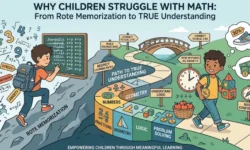
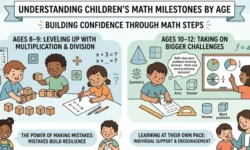
Let’s be honest—when most people hear the word “math,” they immediately picture stuffy classrooms, endless worksheets, and stressful exams. But the truth is, kids are crunching numbers all day long without even realizing it! Especially when you look at that 8- to 12-year-old age range where children start thinking differently about the world around them, you’ll notice that numbers are just a natural part of their daily routine.
When we show kids that math isn’t just a school subject, but a genuinely useful life skill, it instantly becomes so much more fun and meaningful. Here is how they are already doing it:
🛒 The Grocery Store Math Take a trip to the supermarket, for example. Kids are naturally curious. They’ll compare the prices of their favorite snacks or count what’s in the shopping cart. Just asking a casual question like, “Hey, if we grab three apples and two bananas, how much fruit do we have for the week?” gets them practicing addition without it feeling like a pop quiz.
⏰ Beating the Clock Time is another big one. Figuring out that school starts at 8:30 and eating breakfast takes about 20 minutes helps them map out their morning. It builds their independence and helps them organize their day. And yep, that’s math!
🍳 Kitchen Calculations Cooking is basically a incredibly tasty math lesson. Measuring out a cup of flour, counting eggs, or figuring out how to double a recipe when everyone is extra hungry—it’s all practical math in action.
🎮 Games, Sports, and Tech Even during playtime, numbers are everywhere. Whether they’re keeping score in a video game, checking how much storage space is left on their tablet, or tracking points in a backyard football match, they are constantly doing addition, subtraction, and comparisons.
The Takeaway As parents and educators, we can lean into this. Instead of always handing them another practice test, we can just ask them simple, everyday questions while we’re out shopping, cooking, or playing. Once kids realize that math doesn’t stop when the school bell rings, they stop seeing it as just a subject to pass—and start using it as a tool for life.

 By
By