Understanding Children’s Math Milestones by Age
 By
By Understanding Children’s Math Milestones by Age
Tracking math milestones by age gives us a great roadmap for how children pick up key skills. For parents and teachers, this guide is incredibly helpful for supporting kids as they grow from counting on their fingers to tackling tricky word problems.
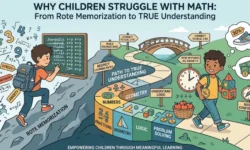
So many of us grew up dreading math class, viewing it as a rigid set of rules to memorize. But when we expose kids to math early on in a playful, supportive way, it doesn’t just help their grades; it builds up their problem-solving chops and logical thinking. When we cheer them on through these milestones, we help them build a positive, fearless relationship with math. Just remember: every child learns at their own unique pace, so patience and personalized encouragement mean everything in this journey.
Ages 8–9: Leveling Up with Multiplication and Division
Around 8 or 9 years old, math starts getting really exciting. Kids begin facing bigger challenges, especially with multiplication and division. They start wrapping their heads around “number families,” which completely changes how they view relationships between numbers.
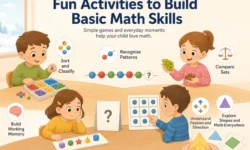
Once they notice patterns in their times tables and realize division is just multiplication in reverse, their everyday math skills sharpen. The best way to help them grasp this without getting overwhelmed? Keep it hands-on. Grouping physical objects and dividing them equally makes these big concepts feel real rather than just abstract symbols on a page. Think about everyday moments: if you are baking cookies, have them figure out how to divide the batch evenly among the family. Lego bricks are also fantastic for visually demonstrating how a block of eight can be split into two blocks of four.
Dipping a Toe into Algebra
Believe it or not, this is also when kids get their first taste of algebra. You don’t necessarily have to use the intimidating word “algebra” with them, but their brains are rapidly developing abstract thinking. They can start using symbols or blank boxes to stand in for unknown numbers in simple equations.
This early exposure is fantastic for their logical thinking. Figuring out an “unknown” is the absolute heart of problem-solving! Try doing activities where they spot visual patterns, solve age-appropriate riddles, or play with simple variables to spark their curiosity naturally. When done right, it feels much more like a fun game than actual homework.
Ages 10–12: Tackling Bigger Problems, Fractions, and Decimals
As kids head into their tween years, their problem-solving stamina really grows. They can now handle multi-step directions and untangle complicated word problems involving fractions, decimals, and percentages. Fractions, in particular, can be a major hurdle at this age, so visual aids and endless patience are key. Working through these puzzles stretches their analytical muscles.
This is the perfect time to bring math into the real world. Have them help figure out a weekly grocery budget, calculate the discount on a pair of shoes they want, or measure the yard for a weekend project. When they see exactly why they’re learning all of this, their resistance to practicing math usually drops significantly.
Diving Deeper into Geometry
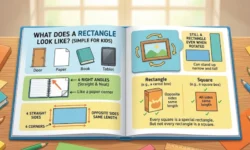
At the same time, geometry gets a lot more detailed. Kids move beyond basic 2D shapes and dive into symmetry, area, volume, and the specific traits that make up 3D figures. Grasping these rules boosts their spatial awareness, which they’ll definitely need for high school math, coding, and science. To keep things fun, try having them spot geometric patterns in local architecture, map out a floor plan for their dream bedroom, or find symmetries in nature during a walk.
The Power of Making Mistakes
As they navigate these increasingly difficult topics, frustration is bound to happen. It is vital to teach children that making a mistake in math isn’t a failure—it’s actually when their brain is growing the most. Praising their effort, strategy, and persistence, rather than just praising them for getting the right answer quickly, builds incredible resilience.
Learning at Their Own Pace
These stages show us that math is like building a house—every new skill needs a solid, secure foundation beneath it before you can add the next floor. But above all, we need to let kids hit these milestones at a pace that works for them. By keeping things hands-on, connecting math to everyday life, and creating a safe environment to make mistakes, we make learning genuinely engaging. When we approach math this way, kids don’t just memorize facts for a test—they build a lasting, confident enthusiasm for learning that will serve them for a lifetime.